Symptom-to-Solution: Reading What Your Drain Is Telling You
When a drain starts acting up, the symptom is your first clue to where the blockage sits. A slow sink and a gurgling toilet may point to different parts of the same system, and the right first action depends on which one you are hearing or seeing. If you live in the Socorro neighborhood of São Paulo and need a professional eye, a local desentupidora Socorro can confirm the diagnosis and clear the line without guesswork.
This guide is built like a decision tree in prose. Start with the symptom you can observe, follow the branch that matches your situation, and take the first step that fits. The goal is to help you self-diagnose before you call anyone, so you can describe the problem clearly and avoid unnecessary damage.
Slow Drain That Still Drains: Where the Restriction Likely Sits
A drain that empties slowly but never backs up is usually telling you the pipe is partially obstructed. The water finds a path around the clog, which is why the sink or shower still works, just poorly. This is the most common early warning sign, and it is also the easiest stage to fix.
Follow the branch based on which fixture is slow:
- One sink or shower only: the clog is likely in the trap or the short branch line serving that fixture. Hair, soap scum and grease are the usual suspects.
- Every fixture on one floor: the restriction is probably in a horizontal branch line or a stack serving that floor. A single fixture clearing may not solve it.
- Every drain in the house, including the toilet: the main line or the connection to the street is partially blocked. Stop using water heavily until you confirm.
Your first action for a single slow fixture is mechanical, not chemical. Remove the stopper and clear the trap by hand or with a drain snake. Avoid pouring caustic products into a slow drain, because they can sit against the clog, damage older pipes and make the eventual professional job harder. If the slow drain returns within a few days, the clog is deeper than the trap and you need a camera inspection.
For a whole-floor or whole-house slowdown, the first action is to stop adding water. Run nothing but what you must, and note whether the slowdown worsens after laundry or dishwashing cycles. That pattern tells a technician which branch to inspect first.
Gurgling Sounds: Air Displacement and Venting Problems
Gurgling is the sound of air being pulled through water because the pipe cannot breathe properly. When a drain gurgles, the blockage or the venting issue is often downstream of the fixture you are hearing. The sound is a pressure symptom, not a water-flow symptom, which is why it can appear even when the drain seems to empty fine.
Branch your diagnosis like this:
- Gurgling only when one fixture drains: the trap or branch for that fixture is partially blocked, and the air is being sucked through the nearest trap.
- Gurgling from a nearby floor drain or tub when the toilet flushes: the main line is restricted, and the flush is pushing air ahead of the water.
- Gurgling plus a sewer smell indoors: a vent or trap seal is compromised, and you should treat it as a health and safety issue rather than a nuisance.
Your first action is to check the easy vent-related causes. Confirm that floor drains have water in their traps, and look for a dry trap in a guest bathroom or utility room. If the gurgling continues after you refill the traps, the vent stack or the main line needs professional attention. Do not ignore persistent gurgling, because it often precedes a backup.
Backup in One Fixture: Local Blockage Versus Shared Line
A backup is different from a slow drain because water is now rising instead of falling. The key question is whether the backup stays in one fixture or spreads to others. That answer separates a local clog from a shared-line problem.
Use this branch:
- Backup only in the toilet: the clog is likely in the toilet trap or the short branch serving it. Stop flushing immediately and do not use a plunger aggressively on a toilet that is already full, because you can overflow it.
- Backup in the shower or tub when the toilet flushes: the shared branch or main line is blocked. The water is finding the lowest open point, which is usually the shower drain.
- Backup in multiple fixtures at once: the main line is blocked, and you should treat it as an emergency. Stop all water use and call for professional service.
Your first action for a single-fixture backup is to remove standing water carefully and avoid chemical drain openers. For a shared-line backup, the first action is to stop water use entirely and protect the floor from overflow. If you are in the Socorro area and the backup is spreading, a desentupidora Socorro São Paulo SP can locate the blockage with professional equipment and clear it before sewage reaches living spaces.
Overflow and Sewage Rise: When to Stop DIY Immediately
Overflow means the system has already failed to contain the water. Sewage rising from a floor drain, a toilet that will not stop running, or water seeping from the base of a fixture are all signs that the blockage is in the main line and the problem is no longer a simple clog.
This is the branch where you stop DIY. Do not plunge, snake or pour anything into a line that is actively overflowing. The risk is not just a bigger mess; it is contact with contaminated water and potential damage to the property. Your first actions should be to shut off the water supply if you can, keep people and pets away from the area, and call for emergency service.
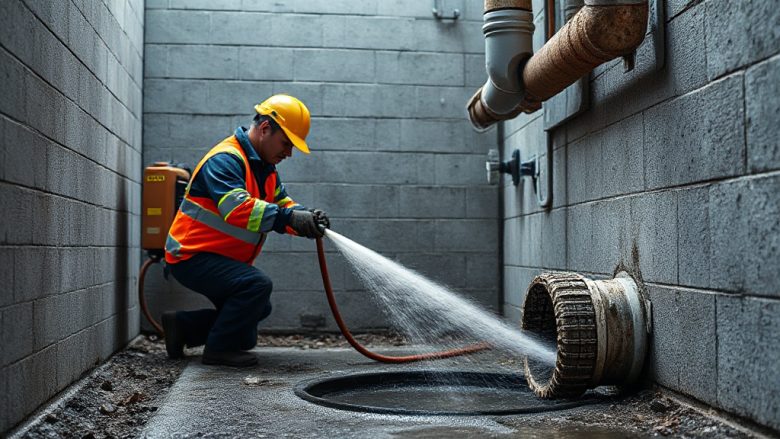
Professional teams use hydro-jetting and camera inspection to clear main-line blockages without guesswork. In São Paulo, the combination of older pipework, tree roots and heavy use makes main-line blockages common, and the right equipment matters more than the force applied. If the overflow is in a condominium, notify the building manager immediately so the shared line can be assessed as a whole.
If you are unsure whether the overflow is local or shared, describe what you see to a desentupidora em Socorro São Paulo SP and ask for guidance before you touch anything. A short phone call can prevent a small backup from becoming a flooded apartment.
Recurring Clogs: Reading the Pattern Before You Call
A clog that keeps coming back is a different problem from a clog that happens once. The pattern itself is the clue. If the same fixture clogs every few weeks, the pipe may have a rough interior, a partial collapse or a recurring accumulation point that a snake cannot fix permanently.
Branch your diagnosis by timing:
- Same fixture, same interval: a local accumulation point or a damaged section of pipe is likely. Camera inspection is the next step.
- Worse after heavy water use: the main line is undersized or partially blocked, and the system cannot handle peak flow.
- Worse after rain: the issue may involve stormwater infiltration or a shared line outside the building.
Your first action for a recurring clog is to keep a simple log: which fixture, how often, and what was happening just before it clogged. That log is more useful to a technician than a single description of the last event. It also helps you decide whether to schedule preventive maintenance rather than another emergency call.
Preventive maintenance is the practical answer to recurring clogs. Hydro-jetting clears the pipe wall rather than just punching a hole through the blockage, and it is often the difference between a temporary fix and a lasting one. If you have already used a snake twice on the same line, stop repeating the same fix and ask for an inspection.
Reading your drain is a skill, and the symptom is always the starting point. Slow drains, gurgling, single-fixture backups and overflows each point to a different part of the system, and the right first action ranges from clearing a trap to stopping water use and calling for help. When the symptom is spreading, recurring or involving sewage, the sensible move is to stop DIY and bring in a professional who can see inside the pipe. A clear description of what you observed will get you a faster, more accurate diagnosis and a repair that addresses the cause rather than the last symptom.